
Committed from the very beginning
We also pay close attention to the origin of the raw materials used in our collections. The cotton used by our manufacturing partners is responsibly sourced from Tanzania, Turkey, and India—three countries with a long-standing textile heritage and favourable climates for cotton cultivation.
We believe that responsible fashion begins long before a garment reaches your wardrobe. It starts with thoughtful sourcing, trusted partnerships, and a commitment to making better decisions at every stage of the journey.
While no production model is perfect, we believe that surrounding ourselves with partners who share our values is one of the most meaningful ways to build a more responsible future. Because every choice matters, and together, those choices can make a lasting difference.
At YXELON, responsibility goes beyond the products we create. It also means choosing partners who share our values and our vision for the future.
That is why we work exclusively with suppliers who are members of 1% for the Planet. Through this global movement, they commit to donating at least 1% of their annual revenue to environmental organisations working to protect and restore the planet.
By partnering with companies that have made this long-term commitment, we become part of a supply chain that actively supports positive environmental initiatives while maintaining the highest standards of quality and manufacturing.
European Manufacturing Partners

At YXELON, every decision is driven by the same ambition: to create products that are made to last, without compromising on quality, manufacturing standards, or the impact of our business.
That is why we have chosen to work with manufacturing partners based in Belgium, Germany, the United Kingdom, Poland, and the Czech Republic.
These countries are home to internationally recognised textile expertise and uphold high standards of quality, compliance, and craftsmanship.
Producing in Europe also allows us to work more closely with our partners. This proximity makes communication easier, improves production oversight, and helps us build long-term relationships based on trust and transparency.
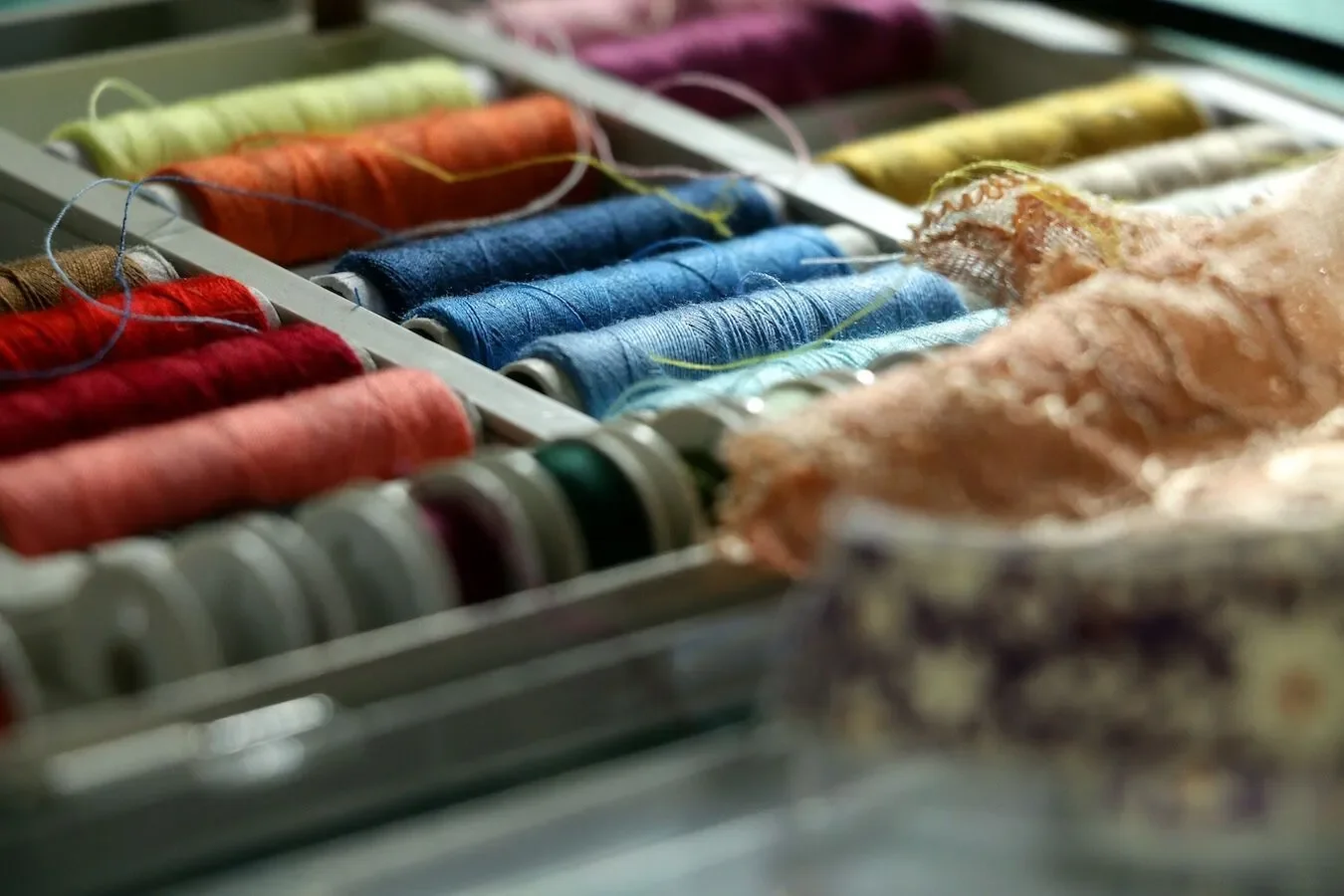
It also contributes to reducing the distance our products travel compared with manufacturing on the other side of the world. While we do not claim to have all the answers, we believe that a shorter supply chain is a more consistent approach to responsible fashion.
Finally, manufacturing in Europe means supporting companies, workshops, and skilled professionals who continue to preserve and develop valuable industrial expertise.
We believe that a responsible brand is defined not only by the materials it selects, but also by the partners it chooses to grow alongside.
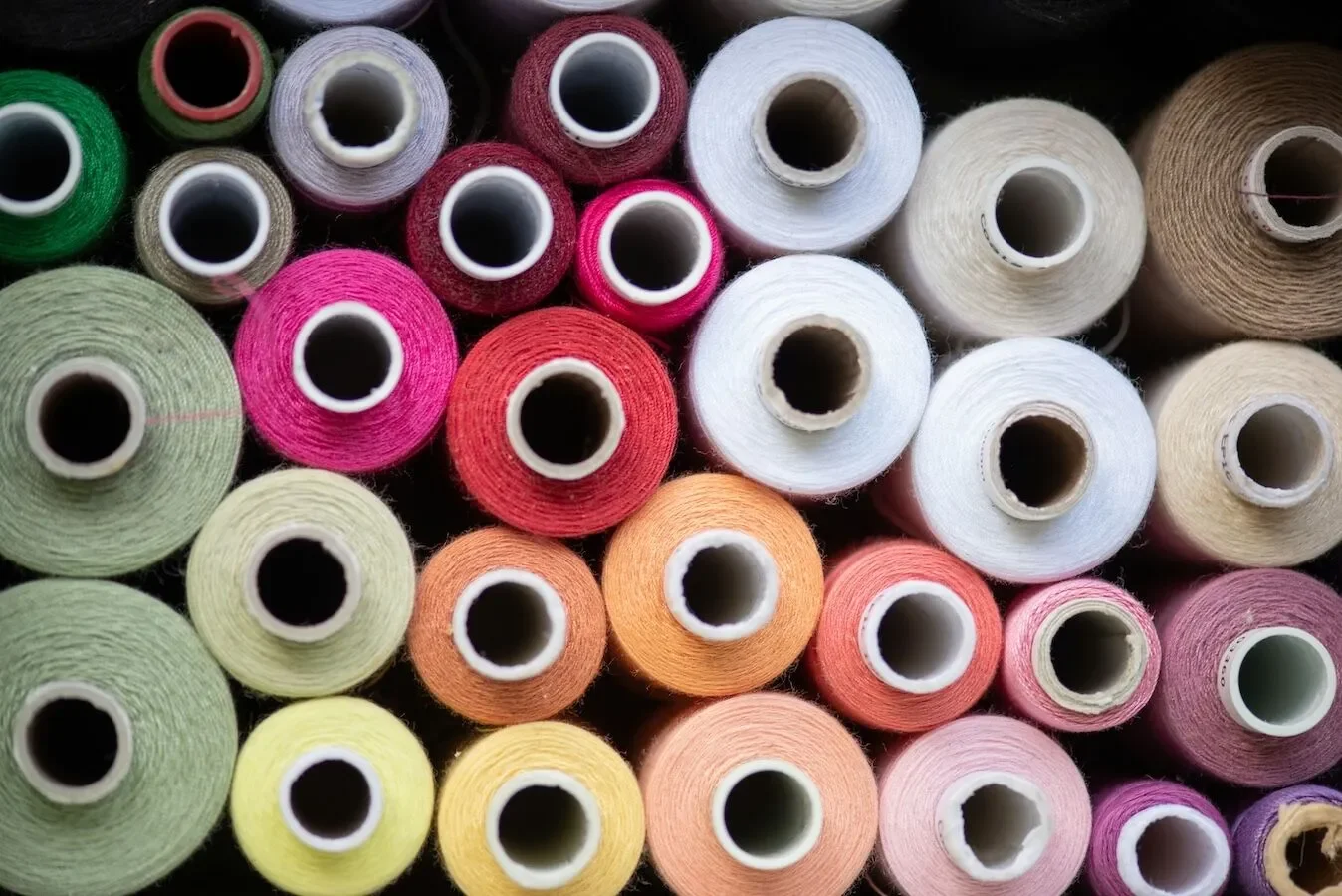
Beyond creating clothing and accessories, our ambition is to build a brand founded on quality, durability, and trusted relationships at every stage of its development. After all, Another Life Experience also begins with the way things are made.
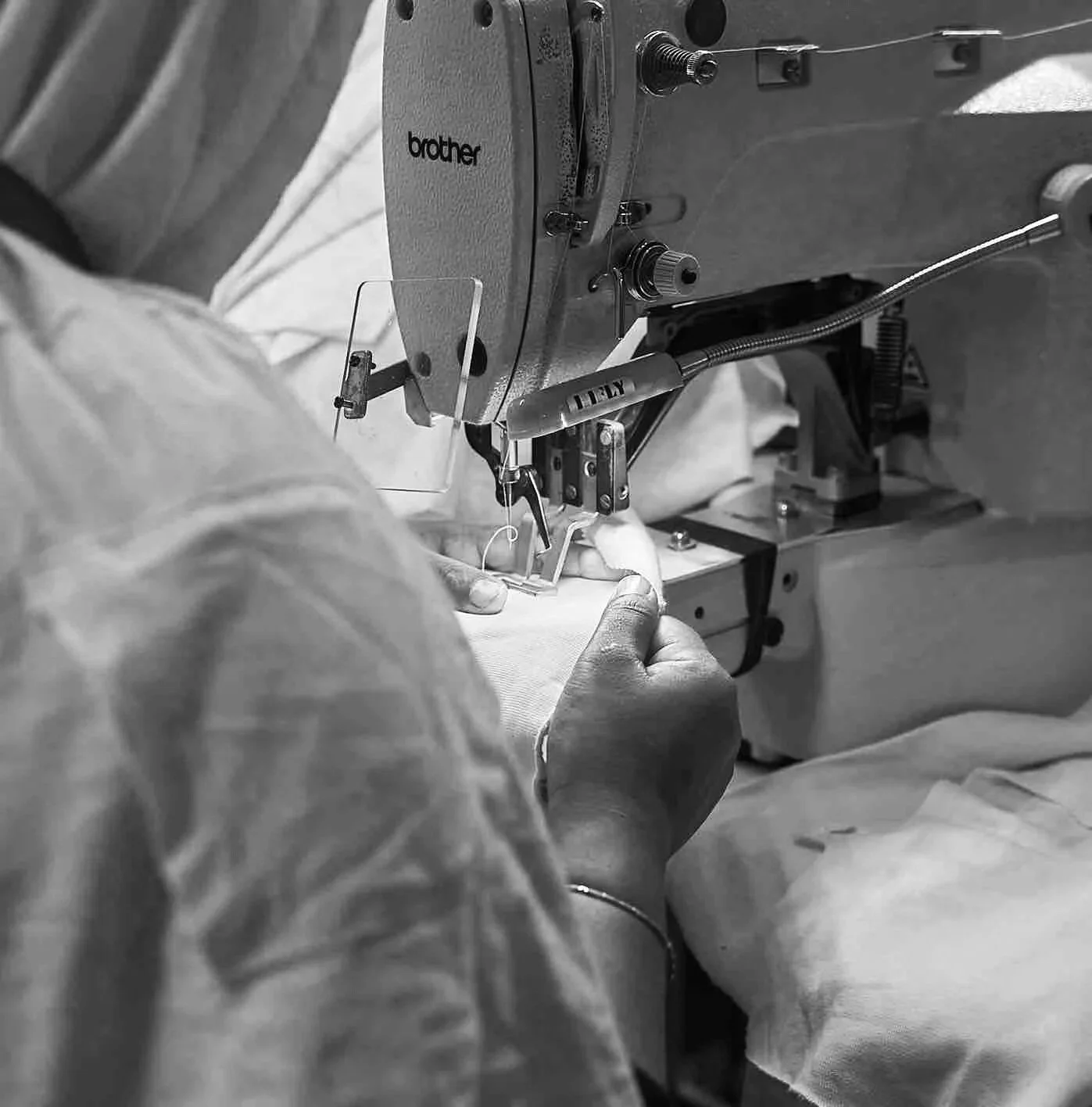
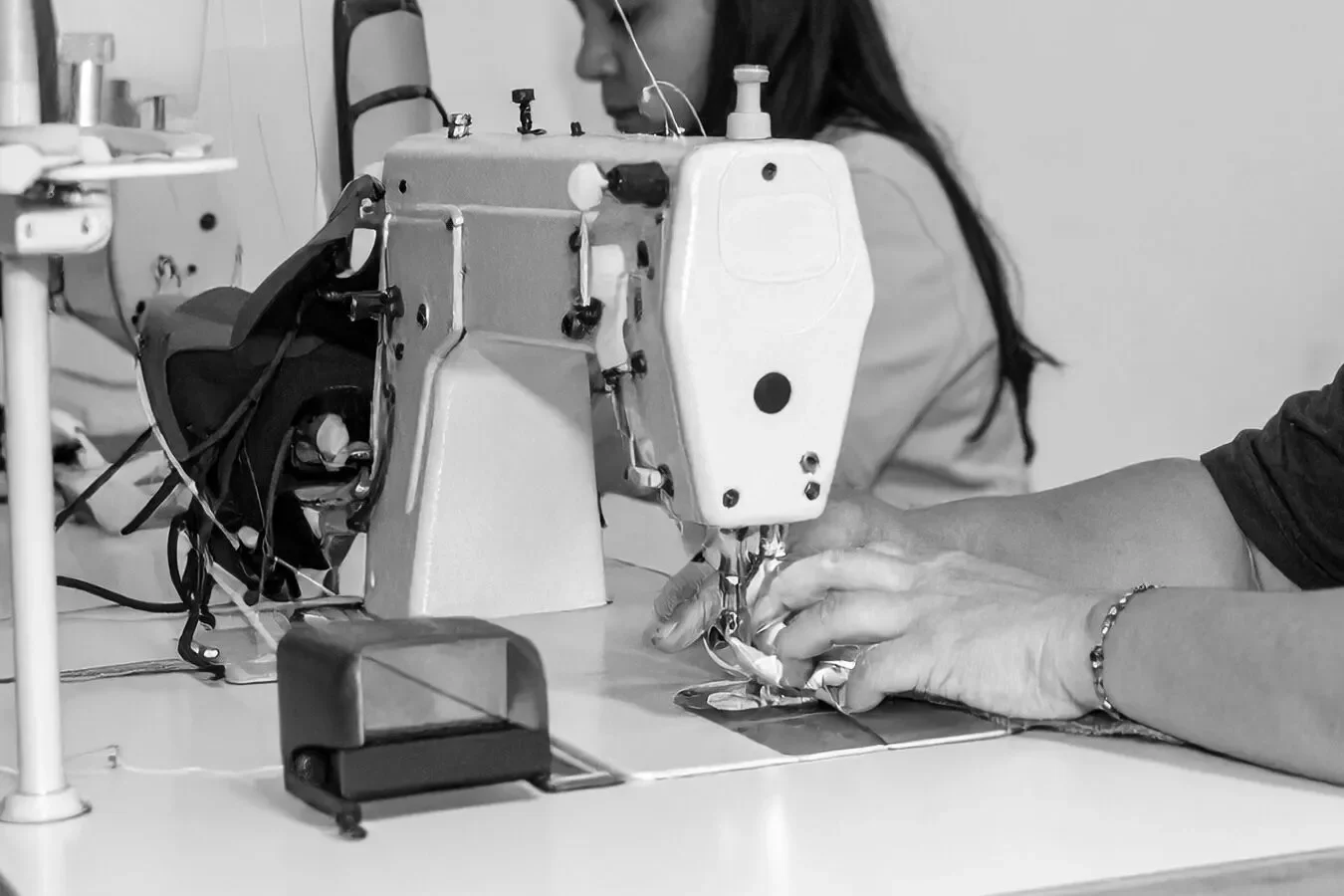
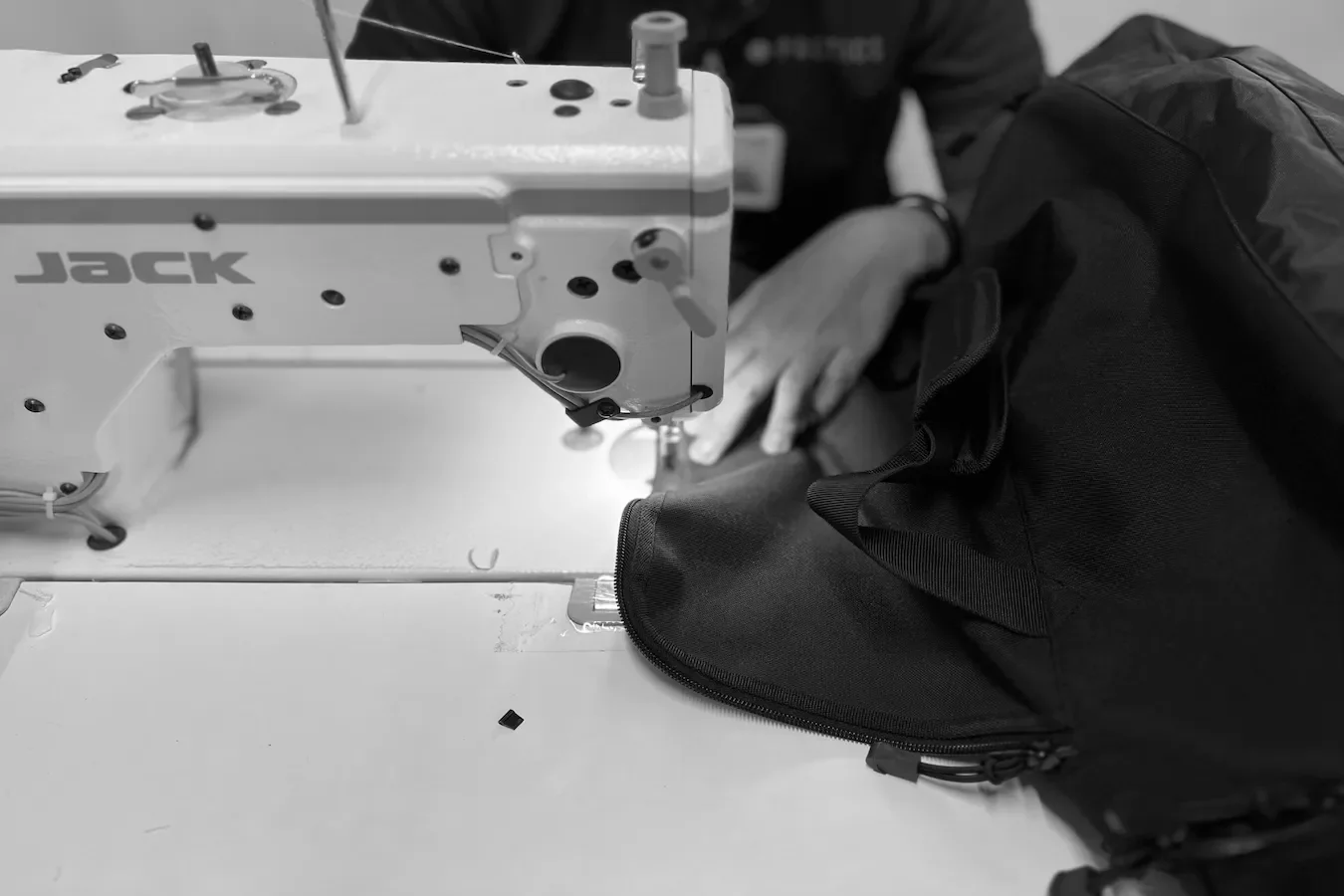
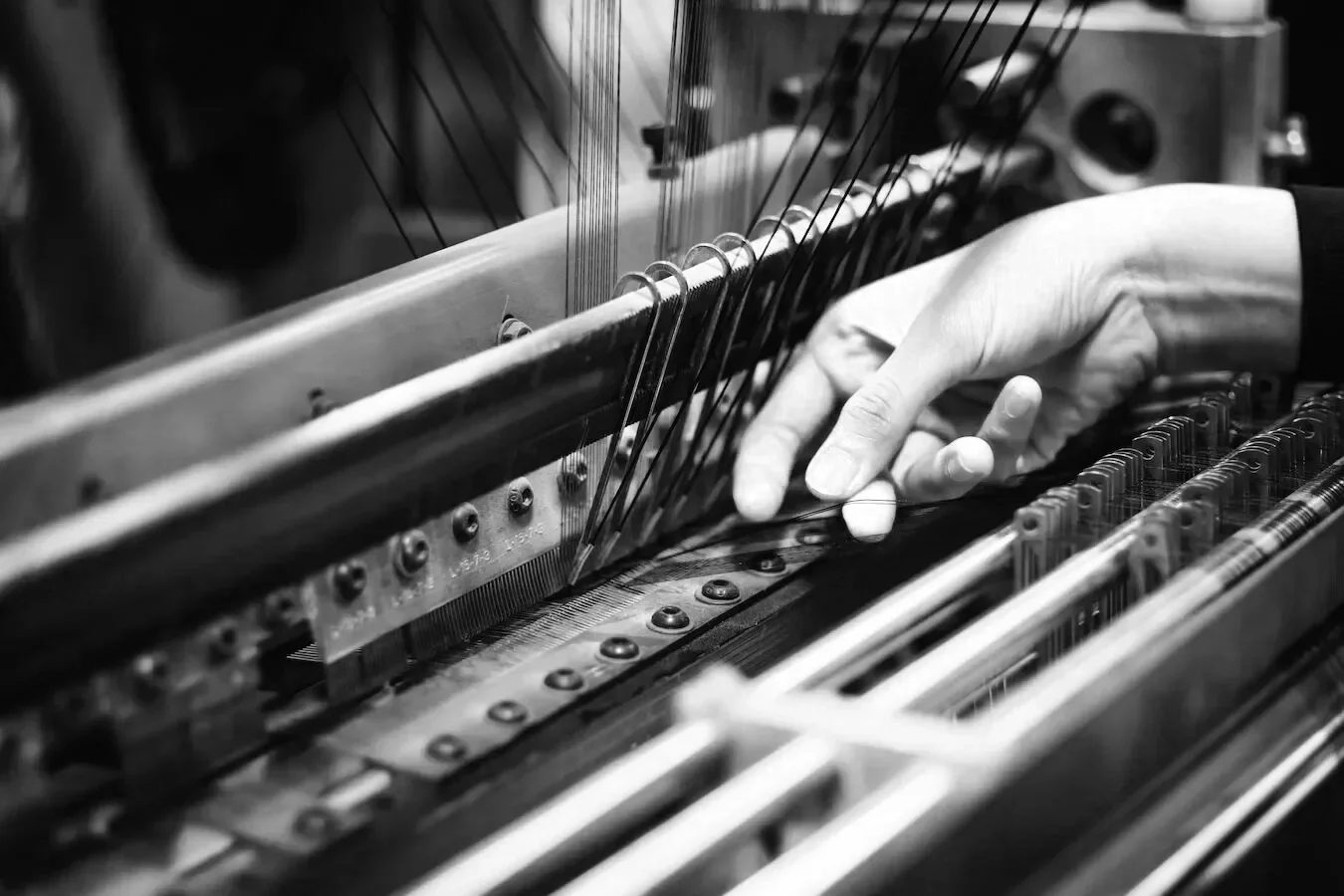
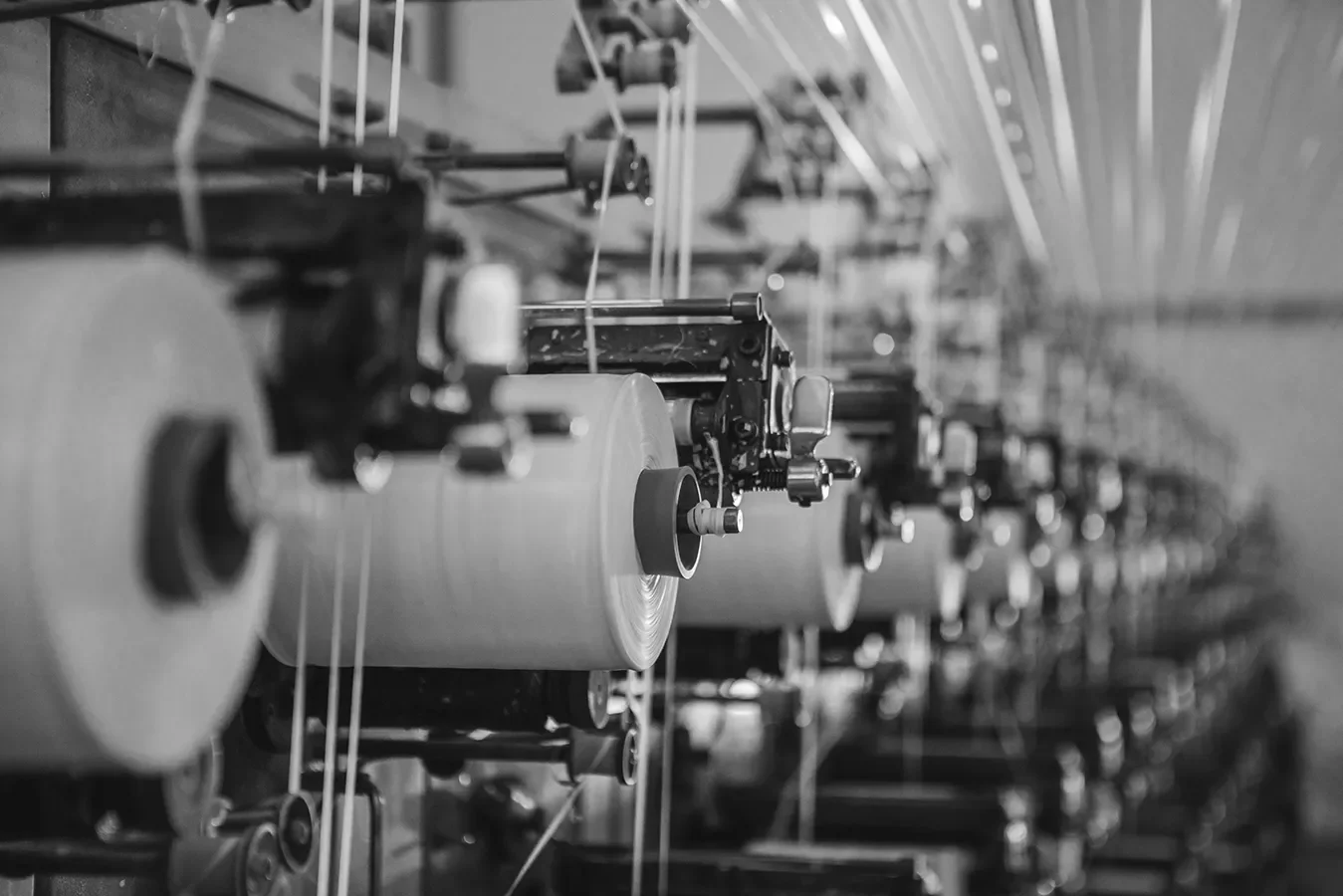
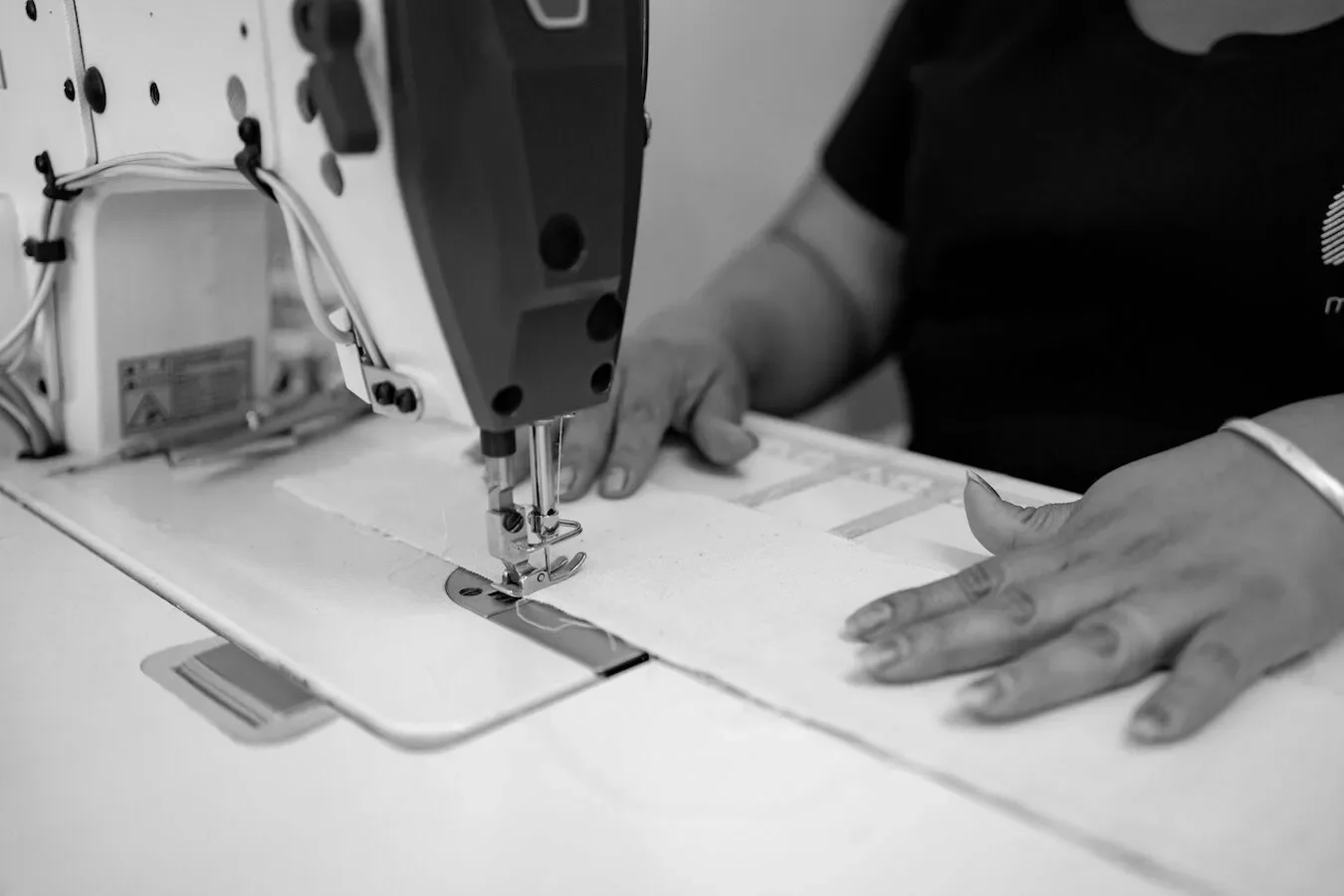
Expertise dedicated to quality

Action
Emancipation
Passion
Action Emancipation Passion
Wearing stYle Collections, funds preservation of oceans and vulnerable marine environments
-
This support focuses on:
reducing plastic pollution in coastal areas,
transforming waste into recycled resources,
improving the economic conditions of local collectors.
It aims to limit the impact of plastic on marine ecosystems, to contribute to a circular economy and to combine environmental responsibility and social impact.
For each stYle Collections item purchased, a tree is funded
-
This partnership is active through tree-planting programs based on:
restoring degraded ecosystems,
supporting local communities,
and ensuring the traceability and verification of plantings.
It contributes to carbon sequestration, it promotes biodiversity, and it participates in soil regeneration.
As planting a tree isn't a panacea, the approach remains measured. But when integrated into a comprehensive sustainability strategy, it's a concrete and complementary tool.
Sustainable
Fair
Organic
Recycled
Sustainable Fair Organic Recycled
A sustainable supply chain
At YXELON, creating responsibly is not limited to choosing better materials. It is about building an entire supply chain that reflects the same standards of quality, transparency, and long-term commitment.
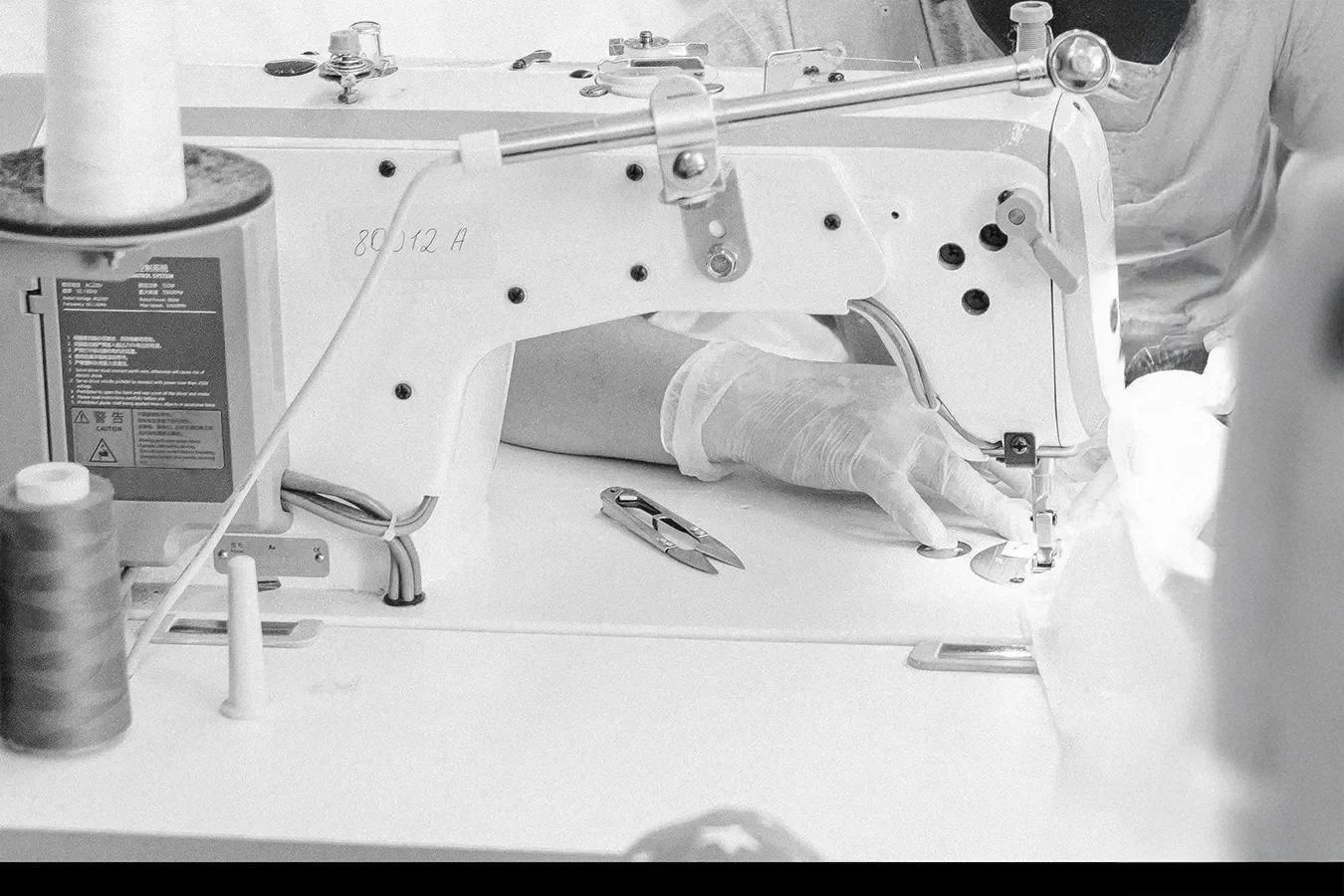
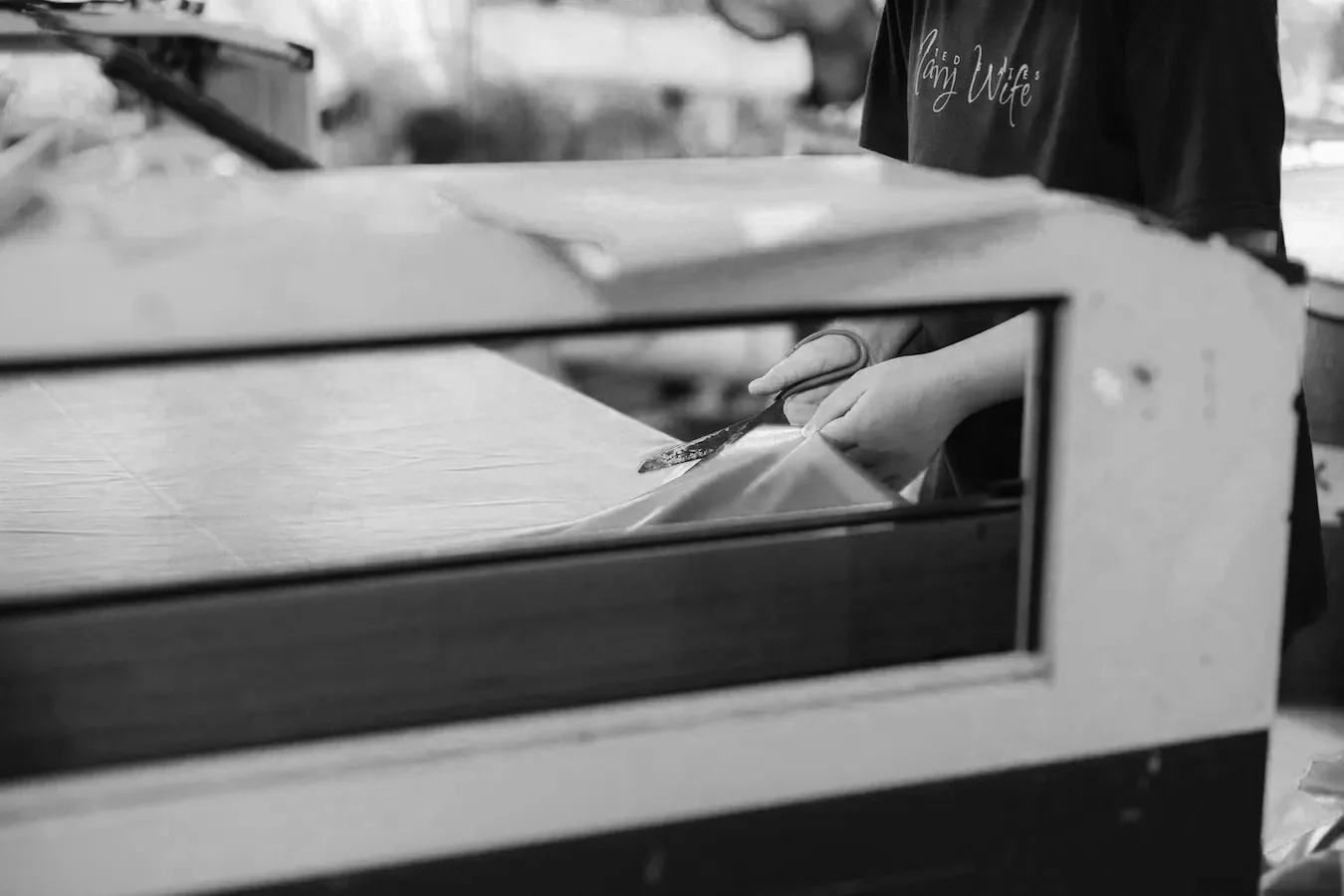
From raw material sourcing to manufacturing, finishes, packaging, and logistics, every stage of our production process is entrusted to carefully selected European partners who share our vision of responsible business.
Rather than relying on a single certification, we have chosen to work with suppliers whose manufacturing facilities meet internationally recognised standards for product quality, environmental management, chemical safety, traceability, responsible sourcing, and working conditions.

To ensure these standards are maintained over time, our partners undergo regular independent audits and renew their certifications on an ongoing basis. We continuously monitor their commitments and keep our supplier information up to date, allowing us to build lasting relationships based on trust, transparency, and continuous improvement.
Our manufacturing partners hold a wide range of internationally recognised certifications and memberships, including OEKO-TEX® Standard 100, GOTS, GRS, OCS, Fairtrade, WRAP, BSCI, REACH, FWF, BCI, and 1% for the Planet, among others. Each of these certifications reflects a specific commitment made by the workshops and suppliers we have chosen to work with.
We strongly believe that responsibility is built through consistent decisions, trusted partnerships, and a genuine commitment to improving every step of the process.
Because quality is not only measured by the products we create, but also by the way they are made.
Memberships
*
Certificates
*
Labels
*
Memberships * Certificates * Labels *
-
OEKO-TEX is an independent international association that develops certification standards for textiles.
Its goal is to ensure that tested products meet strict requirements regarding chemical safety and impact on human health.
OEKO-TEX® certifications cover various stages of the production chain: raw materials, yarns, fabrics, dyes, accessories, and finished products.
This certification allows us to ensure that a textile article does not contain harmful substances exceeding regulatory or scientifically recognized limits.
-
Standard 100 is one of the most recognized certifications in the Oeko-Tex® system.
It certifies that a textile product—or each of its components (thread, button, fastener, label, etc.)—has been tested against a comprehensive list of potentially harmful substances.
The criteria include, in particular, heavy metals, pesticides, banned dyes, and other regulated substances. The requirements are regularly updated to reflect changes in international standards and scientific knowledge.
Our suppliers’ certification strengthens the guarantee of safety for our consumer.
-
The Business Social Compliance Initiative (BSCI) is an international initiative aimed at improving working conditions in global supply chains.
It is based on a code of conduct that adheres to the conventions of the International Labour Organization (ILO). BSCI audits assess, among other things:
the prohibition of forced labor and child labor,
occupational health and safety,
fair remuneration,
working hours,
freedom of association.
BSCI certification does not concern the product itself, but rather the social conditions of production at suppliers and subcontractors.
-
Fairtrade International is a certification system that aims to guarantee fairer trading conditions for producers, particularly in agricultural sectors.
Fairtrade certification is based on:
a guaranteed minimum price for producers,
a development premium paid to communities,
and established social and environmental criteria.
Through Fairtrade Certificate our suppliers ensure that raw materials come from supply chains that adhere to stricter social and economic standards.
-
The Global Recycled Standard (GRS) is an internationally recognised, voluntary certification that ensures the traceability of recycled materials through the supply chain.
t establishes strict requirements for third-party verification of recycled content, ensuring credibility and transparency in sustainable production.
The GRS goes beyond material certification by incorporating social and environmental criteria, including responsible chemical management and ethical labour practices.
Suppliers who adher to GRS, ensure the increased use of recycled materials, reduce dependence on virgin resources, and contribute to a more circular and responsible textile industry.
-
The Organic Content Standard (OCS) ensures that products contain organically grown materials that have been independently verified at every stage of the supply chain, from raw source to final product.
The OCS provides a rigorous certification process, guaranteeing transparency and integrity in organic textile production. The Organic 100 Content Standard, a subset of OCS, specifically certifies that 100% of the fiber content is organic.
By following OCS standards, our suppliers ensure sustainable farming practices, reduce chemical usage, and provide us with confidence in the authenticity of organic materials.
-
The European Chemicals Agency (ECHA) oversees the Registration, Evaluation, Authorisation and Restriction of Chemicals (REACH) regulation at the European level.
REACH is a European Union regulatory framework that governs the registration, evaluation, and restriction of chemicals used in industry, including the textile sector.
It provides greater transparency and allows for:
the identification and registration of chemicals used,
the assessment of their risks to human health and the environment,
the restriction or replacement of the most concerning substances.
REACH compliance limits our suppliers' use of hazardous substances in fibers, dyes, finishes, and accessories.
-
The Fair Wear Foundation (FWF) is an independent organization working to improve working conditions in the textile industry.
It collaborates with brands and production facilities to monitor and improve:
workplace safety,
freedom of association,
the prohibition of forced labor and child labor,
the payment of living wages,
the limitation of excessive working hours.
The FWF does not certify products but supports companies in a process of continuous improvement through audits, improvement plans, and grievance mechanisms accessible to workers.
-
The French Textile and Apparel Institute (FTAI) is a French industrial technical center dedicated to research, testing, and innovation in the textile sector.
IFTH's activities include:
conformity and performance testing of textiles,
materials analysis,
technical support for companies, and
innovation in processes and sustainability.
Its expertise enables the validation of product quality, safety, and performance, while supporting the competitiveness and responsible innovation of the French textile sector.
-
The Better Cotton Initiative (BCI) is an international organization dedicated to improving cotton farming practices.
It focuses on:
reducing water and pesticide use,
improving farmers' working conditions,
providing training in more sustainable agricultural practices, and
ensuring traceability throughout the supply chain.
The objective is not only environmental, but also economic and social, by strengthening the resilience of farming communities.
-
Worldwide Responsible Accredited Production (WRAP) is an international certification program focused on production conditions in factories, particularly in the textile and apparel industries.
WRAP assesses the compliance of production sites according to 12 principles covering:
compliance with local laws,
prohibition of forced labor and child labor,
occupational health and safety,
environmental management,
ethical practices and transparency.
WRAP certification attests that a production site meets these requirements and is committed to a process of compliance and continuous improvement.